Baby Heart: A Handwritten Typeface for Editorial Design
In editorial design, the right typeface can transform a publication from functional to unforgettable. Baby Heart is a handwritten font that brings warmth and personality to any content project. Designed with elegance and charm in mind, it’s ideal for those who want to infuse their work with a human touch while maintaining professional appeal.
Visual Characteristics of Baby Heart
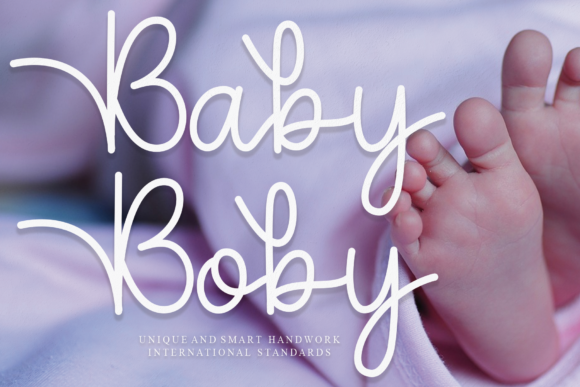
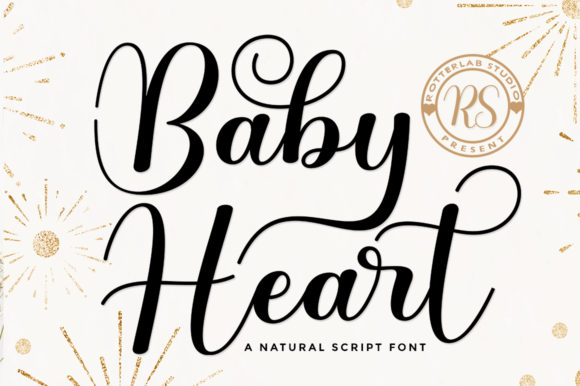
Baby Heart exudes a soft, organic feel with its flowing curves and gentle strokes. As a script amp font, it strikes a balance between artistic flair and legibility—perfect for settings where you want to maintain readability but also evoke emotion. Its unique letterforms are crafted to resemble natural handwriting, making it feel personal yet polished.
This font has a timeless quality that makes it versatile across different niches and industries. Whether you're designing a cozy recipe ebook or a vibrant digital magazine, Baby Heart adapts well to various visual contexts. It carries a subtle whimsy without being overly decorative, which ensures it remains effective even in small sizes or when used in tight spaces.
Using Baby Heart in Editorial Design
Baby Heart shines as a display font, particularly suited for headlines, chapter openers, pull quotes, and other typographic elements that draw attention. Here's how it can enhance your editorial projects:
- Blog Headers: Use Baby Heart for blog post titles or section headers to add a welcoming and approachable tone.
- Magazine Covers: The font’s expressive nature works beautifully on covers, especially for lifestyle, wellness, or creative magazines aiming for a warm aesthetic.
- Ebook Titles and Chapter Openers: For fiction, poetry, or lifestyle ebooks, Baby Heart sets the scene with its inviting script style.
- Newsletter Graphics: Feature Baby Heart in hero sections or feature banners to make your newsletter more engaging and visually appealing.
- Quote Layouts: The font is perfect for quote graphics shared on social media or embedded in articles. Its cursive style enhances the emotional impact of the text.
- Printable Guides and Lead Magnets: When creating free resources like printable planners or worksheets, Baby Heart helps create a friendly and trustworthy look.
Setting the Tone and Mood
The choice of typeface often determines the mood of a publication. Baby Heart is no exception. Its handwritten appearance gives off a sense of sincerity and creativity. It’s an excellent choice for brands or publications that prioritize authenticity and emotional connection.
For example, using Baby Heart in a wedding guide can help convey a sense of love and celebration. In a coaching workbook, it adds a nurturing and supportive tone. These subtle cues can significantly influence how readers perceive your content and brand identity.
Readability and Practical Applications
While Baby Heart is best used in short bursts due to its script nature, it’s surprisingly readable in certain applications. On screens, it performs well at larger sizes, such as in headings or pull quotes. When exporting to PDF or print, ensure that the font is embedded properly and test it across devices to confirm legibility.
On mobile layouts, consider using Baby Heart only in title areas to avoid strain on the reader’s eyes. Pairing it with a clean sans serif or readable serif font for body copy will maintain a clear visual hierarchy and keep the focus on the message rather than the typography.
Font Pairing Suggestions
Effective font pairing elevates the design of any publication. When using Baby Heart, consider complementing it with a neutral and highly legible typeface for body text. Some strong combinations include:
- Baby Heart + Lora (Serif): This pairing offers a classic and elegant contrast, ideal for literary blogs or fashion magazines.
- Baby Heart + Roboto (Sans Serif): Clean and modern, this combo suits contemporary newsletters or digital guides with a minimalist layout.
- Baby Heart + Montserrat (Sans Serif): Great for branding materials and website headers, providing a stylish yet structured feel.
These pairings help anchor Baby Heart’s expressive style within a balanced typographic system, ensuring your publication remains both beautiful and easy to read.
Commercial Use and Licensing
If you’re planning to use Baby Heart in commercial editorial work, such as paid ebooks, client-facing publications, or branded lead magnets, it’s important to check the font’s licensing terms. Many script fonts require specific commercial licenses, especially if they’re being used in digital downloads or products sold online.
Always verify whether Baby Heart includes extended styles, ligatures, or alternates that might be useful for your designs. Additional weights or variations can offer more flexibility in adjusting the tone of your publication—from bold and confident to delicate and refined.
Real-World Examples
Here are some practical scenarios where Baby Heart could be an asset:
- Lifestyle Blog: Use Baby Heart for article titles or category headers to create a cohesive and inviting theme.
- Recipe Ebook: Feature the font in headings for each recipe or on the cover to suggest a homemade, heartfelt collection.
- Wedding Guide: Apply Baby Heart to section titles or pull quotes about love and commitment to enhance the romantic atmosphere.
- Coaching Workbook: Incorporate the font into motivational headings or affirmations to build a sense of trust and inspiration.
- Digital Magazine: Add Baby Heart to editorial features or special segments for a creative and personalized look.
- Printable Planner: Use it for weekly prompts or decorative accents to give your planner a handmade, thoughtful vibe.
- Creator Newsletter: Include Baby Heart in subject lines or featured posts to stand out in crowded inboxes.
Each of these uses benefits from the font’s ability to blend artistry with clarity, making it a valuable addition to any designer’s toolkit.
Building Brand Identity with Baby Heart
Typefaces play a key role in establishing brand identity. Baby Heart, with its expressive and intimate style, can become a signature element of your editorial voice. It’s particularly effective for independent content brands, boutique publishers, and niche creators who aim to build a distinctive and memorable presence.
Whether you're launching a new digital magazine or refreshing your newsletter template, integrating Baby Heart into your design assets can help unify your visual tone. It supports consistent branding by offering a recognizable style across all platforms—website headers, printables, social media posts, and more.
When used strategically, Baby Heart can help set the visual rhythm of your publication, guiding the reader through the content with a harmonious flow of styles and textures.
Multilingual Support and Accessibility
Handwritten fonts can sometimes fall short in multilingual support, but Baby Heart appears to be designed with inclusivity in mind. If available, confirm whether it supports a wide range of languages and diacritics. This is especially important for international audiences or publications targeting multiple regions.
Also, consider accessibility when using Baby Heart. While it’s not intended for long-form reading, its use in accent typography or secondary text should never compromise the overall readability of your publication. Always provide alt text for images and ensure that any text rendered in the font remains accessible to screen readers.
Conclusion
Baby Heart is more than just a pretty font—it’s a tool for storytelling and engagement. Its handwritten character brings a sense of closeness and creativity that resonates with readers. By thoughtfully incorporating Baby Heart into your editorial design, you can elevate your content’s visual appeal while staying true to your brand’s personality.
From magazine covers to blog headers, Baby Heart adds a layer of warmth and originality that stands out in today’s fast-paced digital world. With the right font pairing and application, it becomes a subtle yet powerful element of your publication’s identity.